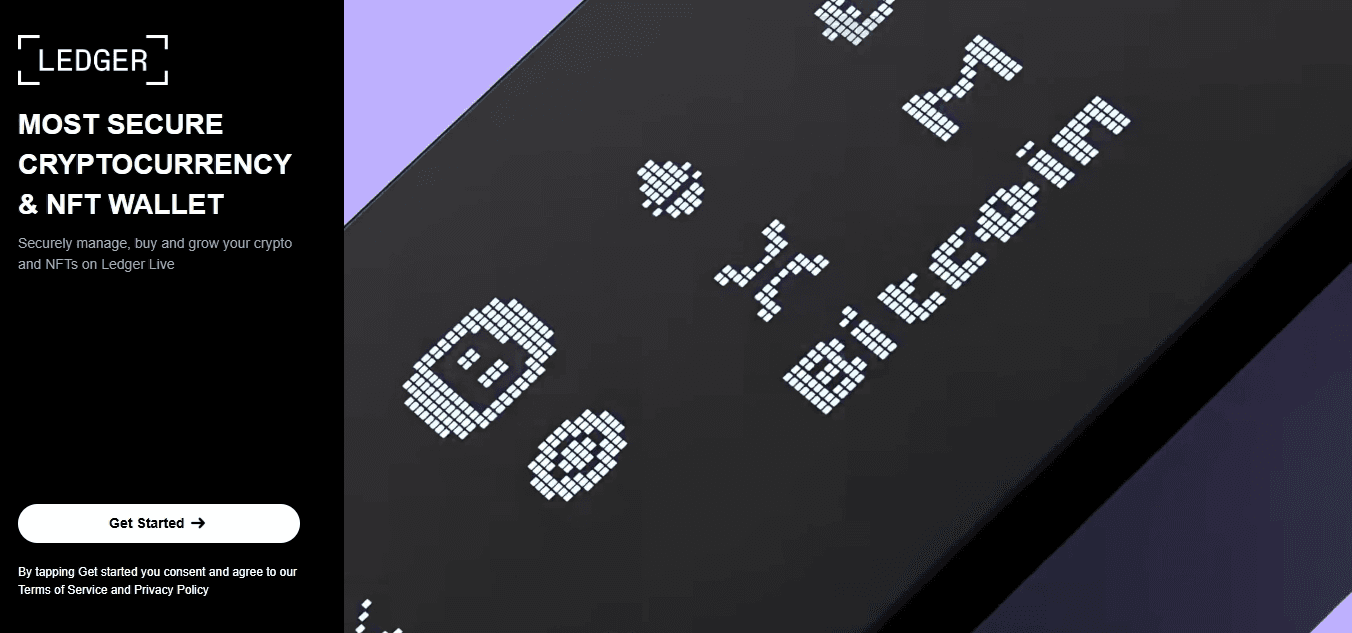
Ledger.com/start: A Comprehensive Guide to Hardware Wallets and Digital Asset Security
The rise of digital assets has transformed how people think about money, ownership, and security. Cryptocurrencies, tokens, and other blockchain-based assets offer the promise of decentralized financial control, allowing individuals to hold and manage their wealth without relying on banks or other centralized authorities. However, this autonomy comes with significant responsibilities. One of the first steps in understanding this ecosystem is represented by ledger.com/start, a phrase that signifies the beginning of a journey into hardware wallets, self-custody, and secure digital asset management. This article provides a thorough educational overview, exploring the principles, tools, and best practices necessary to navigate this evolving landscape safely and confidently.
Understanding Digital Assets and Blockchain Technology
Digital assets are fundamentally different from traditional financial instruments. In conventional banking, ownership of funds is maintained by a central institution, which can reverse transactions, freeze accounts, or recover lost access. In contrast, digital assets rely on cryptography and distributed ledger technology to manage ownership. A blockchain is a decentralized network of computers that record transactions in a secure and immutable way.
Each user controls their assets through cryptographic keys. A private key allows a user to authorize transactions, while a public key or address serves as the location to receive funds. Ownership of the private key equates to control over the asset. This model provides independence, transparency, and resilience against centralized failures, but it also means that losing access to the private key or mishandling it can lead to permanent loss of assets. Therefore, understanding how to manage and protect these keys is a critical first step.
What Is a Hardware Wallet?
A hardware wallet is a physical device designed to store cryptographic keys in an isolated and secure environment. Unlike software wallets that operate on internet-connected devices, hardware wallets keep the keys offline, significantly reducing the risk of cyberattacks, malware, and phishing attempts.
The concept of offline storage, often referred to as “cold storage,” ensures that even if a computer or smartphone is compromised, the sensitive keys remain safe. Hardware wallets work by signing transactions directly on the device itself. The private key never leaves the hardware wallet, ensuring that sensitive information is not exposed to the internet.
Hardware wallets typically come with companion software that provides a user interface for viewing balances, managing supported assets, and interacting with blockchain networks. The software allows users to prepare transactions, while the hardware wallet securely signs them. This separation of duties is crucial to maintaining both security and usability.
The Philosophy of Self-Custody
One of the most important concepts emphasized in educational resources like ledger.com/start is self-custody. Self-custody means that the individual retains control of their own cryptographic keys, rather than trusting a third-party service, such as an exchange or online wallet provider, to manage them.
Self-custody offers independence, protection against centralized failures, and enhanced privacy. However, it also places full responsibility on the individual. If private keys or recovery phrases are lost, stolen, or exposed, there is typically no way to recover the associated assets. This makes education, awareness, and disciplined security practices essential for anyone choosing to manage their assets directly.
Common Security Threats
While hardware wallets provide strong security measures, many incidents in the digital asset space occur due to external threats and human error. Users must be aware of common risks, including phishing attacks, social engineering, malware, fake software, and physical theft.
Phishing remains one of the most pervasive threats. Scammers often create websites, emails, and messages that mimic legitimate services, attempting to trick users into revealing sensitive information, such as private keys or recovery phrases. Social engineering tactics may involve impersonating technical support representatives, sending urgent messages, or creating false emergencies. Awareness, skepticism, and verification are essential defenses against these attacks.
Malware and malicious software can also compromise systems, attempting to intercept keystrokes, access wallet applications, or capture transaction information. Ensuring that devices are secure, software is up to date, and only verified sources are used can mitigate these risks.
Physical security is another important aspect. A hardware wallet or recovery phrase can be stolen, lost, or damaged. Users must implement robust measures to protect physical devices and recovery information, including secure storage locations, backups, and protective measures against environmental risks.
The Role of Recovery Phrases
A recovery phrase, also known as a seed phrase, is a series of words generated by a hardware wallet that allows a user to restore access to their assets if the device is lost, damaged, or stolen. Recovery phrases are the ultimate backup for digital assets and must be treated with the highest level of care.
Recovery phrases should never be shared with anyone, entered into software from unverified sources, or stored digitally in insecure environments. Many users adopt methods such as writing the phrase on fireproof paper, storing it in a safe, or using secure backup devices. Proper handling of recovery phrases is essential for long-term security and peace of mind.
Companion Software and Interfaces
Hardware wallets are designed to work in conjunction with companion software. This software provides a visual interface for managing assets, monitoring balances, preparing transactions, and interacting with blockchain networks. The hardware wallet handles the secure signing of transactions, while the software ensures usability and convenience.
It is essential to use official and verified versions of companion software to prevent exposure to malicious programs. Regular updates to both the hardware wallet firmware and the software interface are important for maintaining security, compatibility, and access to new features.
Best Practices for Safe Digital Asset Management
Managing digital assets securely requires a combination of tools, awareness, and disciplined habits. Some best practices include:
Verify All Sources: Only download software and firmware from official websites or trusted sources. Avoid clicking on unsolicited links or email attachments.
Update Regularly: Keep hardware wallet firmware and software applications up to date to benefit from security enhancements and bug fixes.
Secure Physical Storage: Store devices, recovery phrases, and backup information in secure locations, using safes or fireproof containers if possible.
Practice Verification: Double-check recipient addresses and transaction details before signing any transaction.
Use Multi-Factor Security: Employ additional security measures where possible, such as strong passwords, separate devices for critical operations, and physical authentication methods.
Stay Informed: Regularly review news, security advisories, and educational resources to remain aware of new threats and best practices.
Education for Beginners and Youth
Digital asset education is increasingly relevant, especially for beginners and younger audiences. Understanding cryptography, decentralization, and secure ownership provides not only practical knowledge but also insights into broader technological trends.
Young learners should approach these topics conceptually first, focusing on understanding the mechanics, risks, and responsibilities, rather than engaging in high-stakes financial transactions. Supervision from knowledgeable adults and structured learning environments can help build foundational knowledge safely.
Continuous Learning and Awareness
The digital asset ecosystem evolves rapidly. New technologies, software updates, research discoveries, and regulatory changes can all affect best practices. Ongoing education and continuous vigilance are necessary to maintain secure management of digital assets.
Users should develop the habit of reviewing updates from hardware wallet providers, security advisories, and educational resources regularly. Being proactive and informed reduces the risk of mistakes and enhances confidence in managing digital assets independently.
Common Misconceptions
Many beginners mistakenly believe that hardware wallets make digital assets completely invulnerable. While hardware wallets provide strong protection against many common threats, they cannot prevent losses caused by poor user practices, lost recovery phrases, or social engineering attacks.
Another misconception is that blockchain transactions can be reversed. Once confirmed, blockchain transactions are typically permanent and irreversible. This reinforces the importance of careful verification and cautious behavior before initiating any transfer.
The Broader Importance of Security Awareness
Ledger.com/start is more than just a guide to using a product—it represents the beginning of a mindset focused on responsibility, awareness, and informed decision-making. The principles learned through educational exploration, even before purchasing a device, are foundational to participating safely in decentralized networks.
Security awareness is not limited to hardware wallets or digital assets. The habits, skepticism, and verification practices developed through this learning process carry over to broader online safety practices, including secure communication, password management, and digital identity protection.
Practical Steps for Getting Started
While specific operational steps are best learned from official sources, the educational path begins with understanding core principles:
Familiarize yourself with cryptographic concepts and how blockchain networks operate.
Understand the difference between private and public keys, and how they govern ownership.
Learn the role of hardware wallets and companion software in maintaining security.
Explore best practices for physical and digital security.
Study common threats and how to mitigate them.
By internalizing these concepts, users gain the knowledge necessary to make informed choices when they decide to manage digital assets directly.
Conclusion
Ledger.com/start symbolizes the starting point for anyone looking to explore the world of digital assets with a focus on security and self-custody. Hardware wallets are powerful tools that provide significant protection for cryptographic keys, but their effectiveness depends on the knowledge, habits, and vigilance of the user.
Through careful study, understanding of security principles, awareness of threats, and disciplined application of best practices, individuals can navigate the digital asset landscape confidently and responsibly. In a decentralized environment where no central authority can reverse mistakes, education and awareness are the most reliable forms of protection.
By taking the time to learn about hardware wallets, recovery phrases, digital asset management, and continuous security practices, users position themselves to participate safely in the evolving world of cryptocurrencies and blockchain-based assets. Ledger.com/start represents not just a product or website—it represents the start of a journey toward responsible, informed, and empowered digital ownership.